

Traditional Wrestling in Nigeria Sport: Nigerian Igbo
Traditional wrestling in Nigeria is an important cultural activity. It is one of Nigeria’s oldest sporting practices and is widely carried out throughout the country today. Wrestling in Nigeria dates back to the time of organized modern sports. It served as a community identifier through testing strength and discipline.
Across the different regions of Nigeria, the different styles of wrestling practices scattered across the regions identify local customs, values, and the regions history. It contributed to Nigeria’s rich sporting heritage, one that remains influential in modern athletics and local communities today. Download https://nigeria-bets.com/ratings/bets-in-dollars now and explore more!
The Cultural Essence of Nigerian Wrestling
In Nigeria, Traditional Wrestling is more than just a sport that involves a physical contest of strength. It is a sport that preserves a community’s cultural and social identity by giving them values such as courage, respect, and self-control. It is also a community activity that involves social experiences through celebrations of harvest and community festivals.
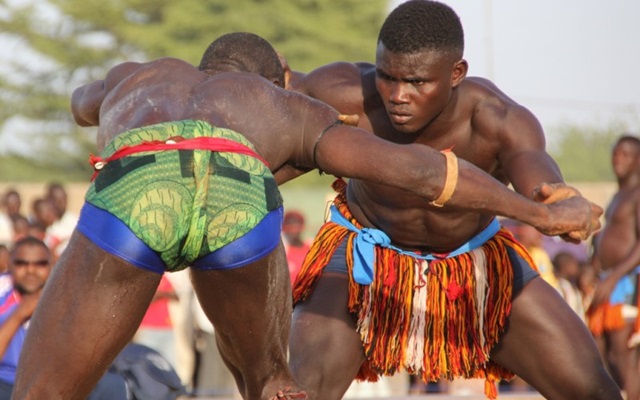
Historical Roots of Tribal Combat
The history of Nigerian wrestling dates back to the time of pre-colonial societies, where surviving as a community was a skill that was needed for combative defense. Wrestling as a form of physical confrontation was developed to allow young men to showcase their readiness for warfare by defeating their wrestling opponents. Over time, formal structures that governed the practice became incorporated into the wrestling societies.
Wrestling as a Rite of Passage
Wrestling was a major part of many youths’ coming-of-age ceremonies. Competing successfully in these events was a way to earn recognition both personally and for your family and community. Because of this community value in the events, wrestlers were often overseen by community leaders to ensure the events fostered positive moral behavior and community values.
Nigerian Wrestling in the Modern World
Even with changing values and the rise of global athletic activity events, traditional wrestling has managed to keep its value as a cultural pillar. While professional sports have become the norm, wrestling has often helped bridge the gap to more modern athletic activity values.
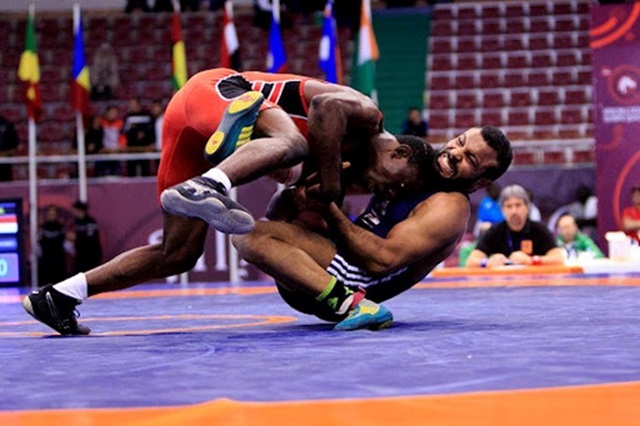
Influence on International Freestyle Competition
Many of the Nigerian traditional wrestling techniques are very similar to those found in freestyle and Greco-Roman wrestling. These moves and adaptations directly impacted Nigerian athletes, who then moved to the multinational sporting arena. This also means that Nigeria has a rich history in multinational modern sporting events.
Traditional Athletes on the Global Stage
Some Nigerian wrestlers who started their careers in traditional styles have competed on the multinational stage. Because of their early participation in physically demanding competitions, they tend to have a greater chance of success. This relationship shows how indigenous athletic activities can facilitate the development of contemporary sports.
The Foundation of the Sport: Physical Strength
Power in the form of physiological strength is a requirement in traditional wrestling, but not an exclusive one. Other elements include a combination of endurance, balance, and timing. The environments in which the athletic activity was conceived explain the high level of demand evidenced in the athletic activity.
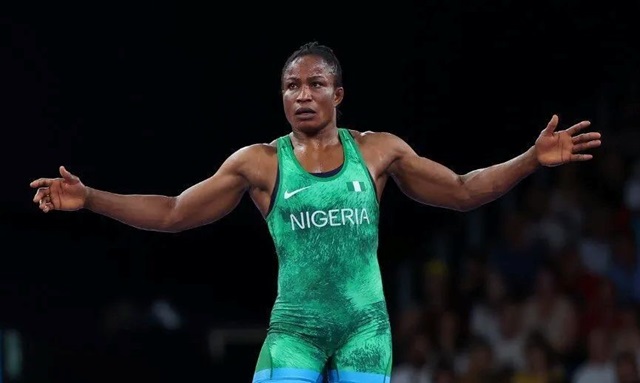
Training Methods in Rural Communities
Wrestlers have to train in the open and in the absence of specialized equipment, use what is available in nature. In addition to bodyweight workouts and an array of exercises, repetitive drills and farming activities strengthen the wrestlers. This rounded, practical, and low-tech approach to training ensures that they possess sufficient strength to direct their combat efforts in a real fight.
The Role of Power and Endurance in the Sand Pit
Competitions are typically held on sand and loose earth, which adds to the physiological demand. Wrestlers have to counter the forces of their opponents while maintaining equilibrium on their own loose earth. In addition to this, endurance is paramount because bouts can extend for several minutes, and in most cases, efforts are sustained with no resting.
Mastery and Skill in Traditional Techniques
Winning a match requires more than just physiological strength. It is the incorporation of technique and strategy that makes a winner. With these attributes, wrestlers manage to defeat their stronger opponents.
Grappling Maneuvers and Defensive Tactics
Leg hooks, waist holds, and controlled throws are some of the techniques used. Counters are implemented via balance recovery and grip breaking. This is a demonstration of injury avoidance, by emphasize control over brute strength.
Tactical Cleverness and Mental Discipline
With the anticipation of the opponents moves, a wrestler has to conquer the mental dimension of the game. It is the mental preparation that is key. It is absence of patience and the presence of mental discipline that leads to the defeat of the wrestler.
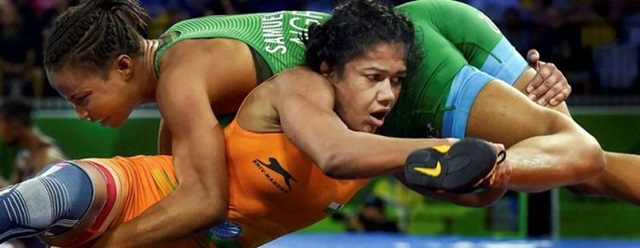
Regional Variations of the Nigerian Game
Each of the styles is a reflection of the social order, history and the ceremonial practices of the people across Africa and the Republic of Nigeria. That is the reason, the wrestling styles from Nigeria’s multiple ethnic groups are so different from each other, whether practiced in a village, a state, or at national events supported by the Nigeria Wrestling Federation (NWF).
Kokawa: The Hausa Tradition
Hausa people from northern Nigeria practice Kokawa, a style known across the region and often showcased in organized wrestling matches. The matches are most often followed by the singing of praises and the beating of drums, blending athletic activity and entertainment. The wrestling is done from an upright position, and strong holds are widely used to score a point or secure victory. The matches are held during the important festivals, often close to a river or central home ground, and have produced many local champion figures.
Mgba: The Igbo Festival Style
Wrestling is often referred to as Mgba and is a major component of annual Igbo festivals, especially in areas such as Anambra. It is a fast-paced form of wrestling that involves a lot of throwing and catching, demanding coordination from the entire team of organizers and elders. It is a very social event, and participants earn significant social status for winning, with some athletes later progressing to world wrestling, the Commonwealth, or even the Olympics. In modern times, Mgba has also helped develop both men and woman athletes.
Gidigbo: The Yoruba Combat Art
Gidigbo is the name of wrestling from the Yoruba people of southwestern Nigeria. It encompasses the concepts of balance, timing, and fine motor control, which are essential skills for professional wrestlers. Gidigbo and the accompanying wrestling festivals of the Yoruba people are very traditional, yet some athletes have moved from this style to national competitions under the NWF, earning recognition at events like the Commonwealth Games and winning a medal.
Rules of the Arena: How to Win
Wrestling has rules. The rules may be somewhat different in various regions, and there may be different details, but rules are coded in and are very important, both in terms of safety and cultural preservation. These rules have remained largely unchanged despite the rise of modern competitions and international exposure in world wrestling.
Defining a Clean Victory
To win a match, an opponent must be made to have the back, shoulders, and/or waist touch the mat. There is no hitting of an opponent, and overly aggressive behavior is very much frowned upon. Control is a very important part of wrestling.
The Role of Judges and Traditional Referees
Matches are watched, and disputes are settled by an elder, or by a designated referee, or by both. There is a lot of respect given to the officials. There are no rules on paper, and there are no modern rules. It is purely traditional laws. This is a very community-focused aspect of the athletic activity.
FAQ
What is the most popular style of wrestling in Nigeria?
With recognition across Nigeria, Kokawa is usually accepted as the most popular style, especially in the country’s north. However, Mgba and Gidigbo are also important in different parts of the country and have contributed athletes such as Blessing Oborududu and Odunayo Adekuoroye, who became international champion figures and known names after winning medals at the Olympics and Commonwealth Games.
How does traditional wrestling differ from Olympic styles?
There is a much more significant focus on culture and the community in the traditional styles. Community involvement and natural forms of training are also important. In contrast, Olympic wrestling has a uniform set of international rules, while traditional styles have their own local rules and varying customs and ceremonies.
What role does music play during a match?
Music is meant to help bring focus, motivation, and cultural context to the match. In the case of traditional wrestling, the music, especially the drums and vocals, is used to get the wrestlers and the crowd excited to unify athletic activity with culture and celebration.